Know which answers to question.
Real-time statement analysis for the moments when a decision rests on someone’s word.
This website practices what we sell.
We analyze statements for a living. Your browsing isn’t one of them. Our approach
Real-time transcription
Hi, I’d like to report a claim on my home insurance.
Of course, I’m sorry to hear that. Could you briefly tell me what happened?
Sure… I came home yesterday afternoon and noticed water coming through the ceiling in the living room. At first, I thought it was just a small leak, but when I stepped inside, I realized the damage was much worse. Turns out a pipe burst on the upper floor, probably in the bathroom, while I was at work.
Follow-up suggested · 3:16 PM
Voice signal this call
Marked moment: 3:16 PM
Follow-up questions
- When you got home, how exactly did you notice it? What was the very first thing you saw?
- What made you think it was much worse than you expected?
- Is there any other room above the living room besides the bathroom?
People get it right 54% of the time.
A meta-analysis of 206 documents and 24,483 judges found that people told lies from truth with 54% accuracy, barely above chance. Experienced judges did no better than beginners. Decisions in claims, hiring and investigations still rest on that judgment.
Record. Analyze. Follow up.
Record
A call, an interview or a digital form.
Analyze
Voice and content, checked against the file as people speak.
Follow up
Your interviewer sees where to ask, with a suggested question.
Where a decision rests on someone’s word.
Insurance
Claims triage after catastrophes. Pay fast. Look closer where the account doesn’t fit.
Critical infrastructure & public sector
Vetting people with access to critical systems. Checking what suppliers and applicants claim.
Investigations & compliance
Internal investigations and speak-up cases. Support for the people who run them.
Your case
A decision elsewhere that turns on what someone said? Tell us about it.
Talk about your caseHiring for senior roles? See For recruiters.
Your people make the call, on infrastructure you choose.
A flag is a reason to ask. Veriteus runs on-premise or in an EU cloud.
What it does
- Marks where an answer diverges
- Suggests a follow-up question
- Shows the passage behind each flag
What it doesn’t do
- Decide about people
- Infer what someone feels
- Replace your specialist
Built on published research, by people you can meet.
Our method builds on published research into deceptive speech. Prof. Julia Hirschberg of Columbia University is our lead advisor. Built in the Czech Republic by a Czech and Slovak founding team.
Advisors: Prof. Julia Hirschberg (Columbia University), Dr. Sarah Ita Levitan (Hunter College), Doc. Jindřich Matoušek and Marek Hrúz, Ph.D. (University of West Bohemia).
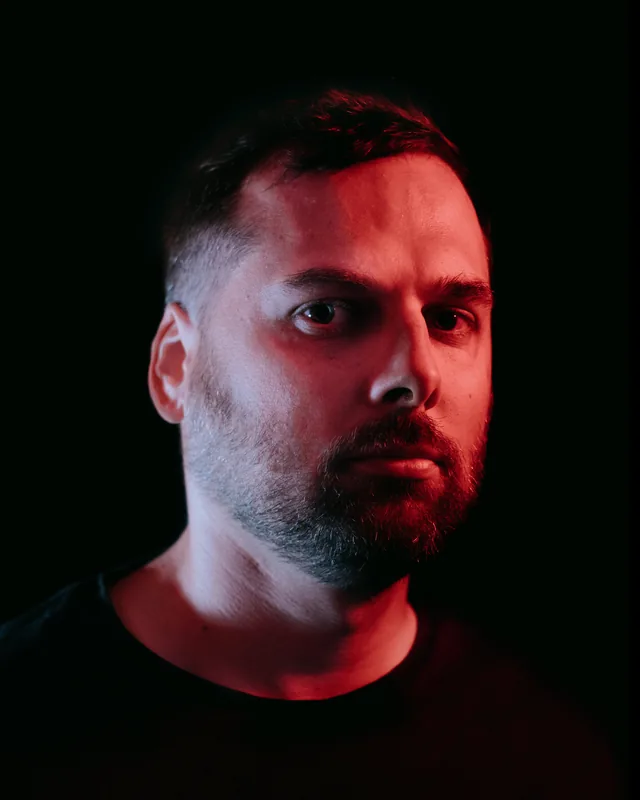
Jakub PavlíkCEO 
Tomáš ŠebestaCSO / CMO 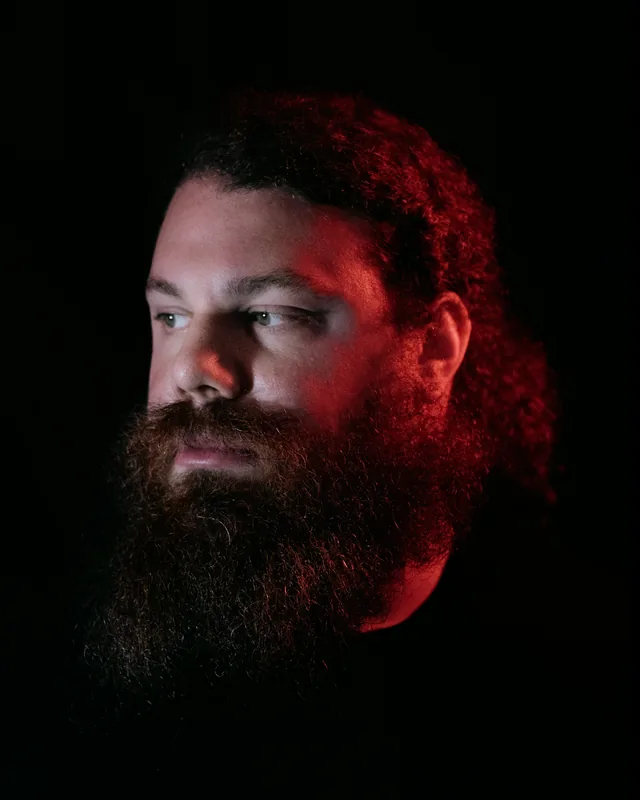
Tomáš ThüringerCOO 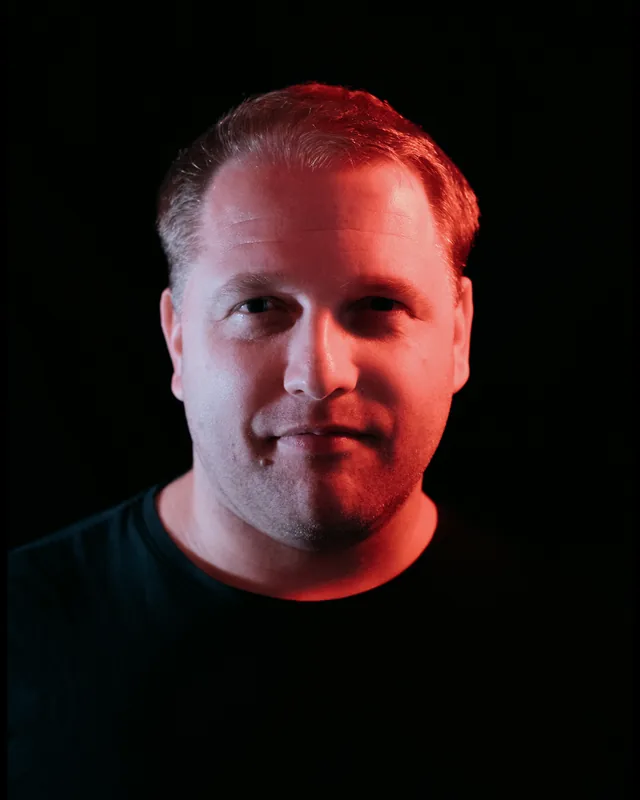
Jan GrmelaCFO / CCO 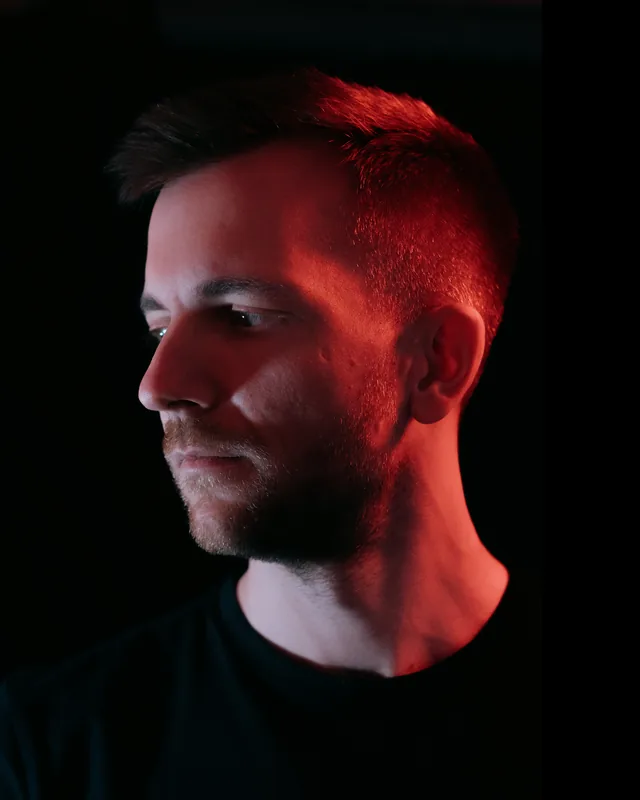
Jiří ŠtanglicaCTO
Start with cases you’ve already closed.
Choose past conversations or forms with known outcomes. We analyze them inside your environment and compare the flags with what actually happened. You see results on your own data before any live case.
Pick a sample with known outcomes
Analyze it in your environment
Compare flags with outcomes
Your results stay yours. Pilot results are confidential and shared only under NDA.
Start with a conversation.
Your message goes to Tomáš Šebesta, our CSO. Tell us about one decision that rests on what people tell you, and we’ll tell you where Veriteus fits.